ABOUT OUR CLUB
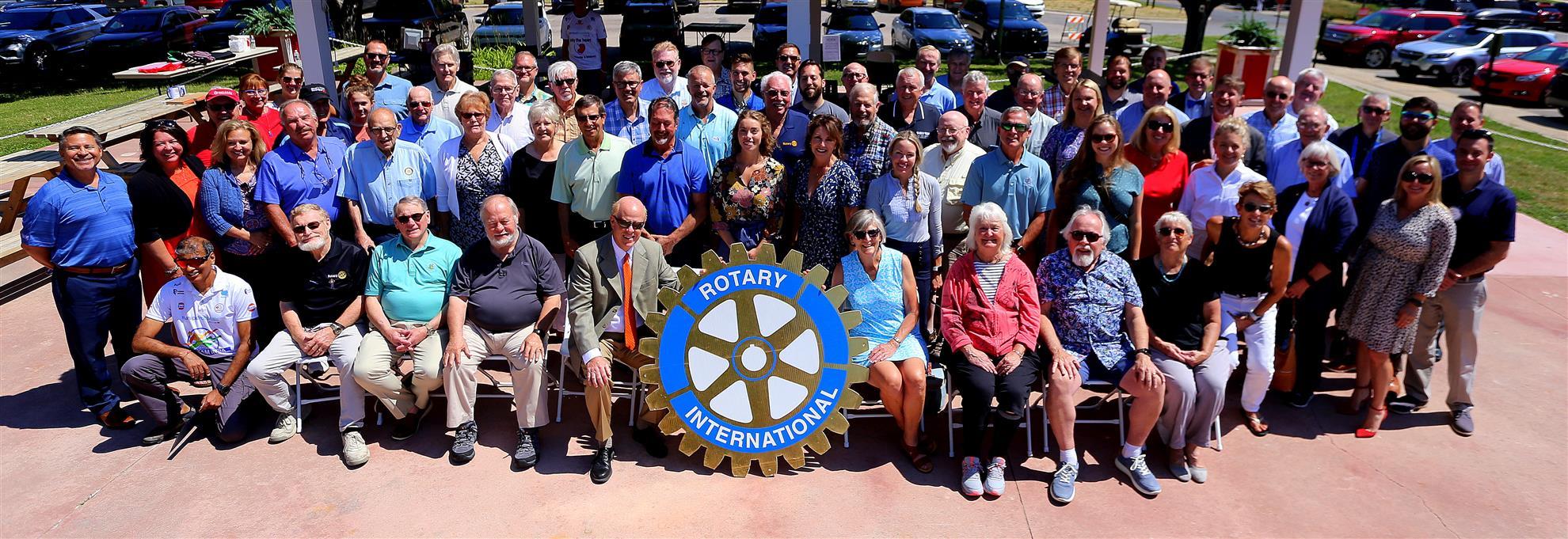
Club Photo - July 2022
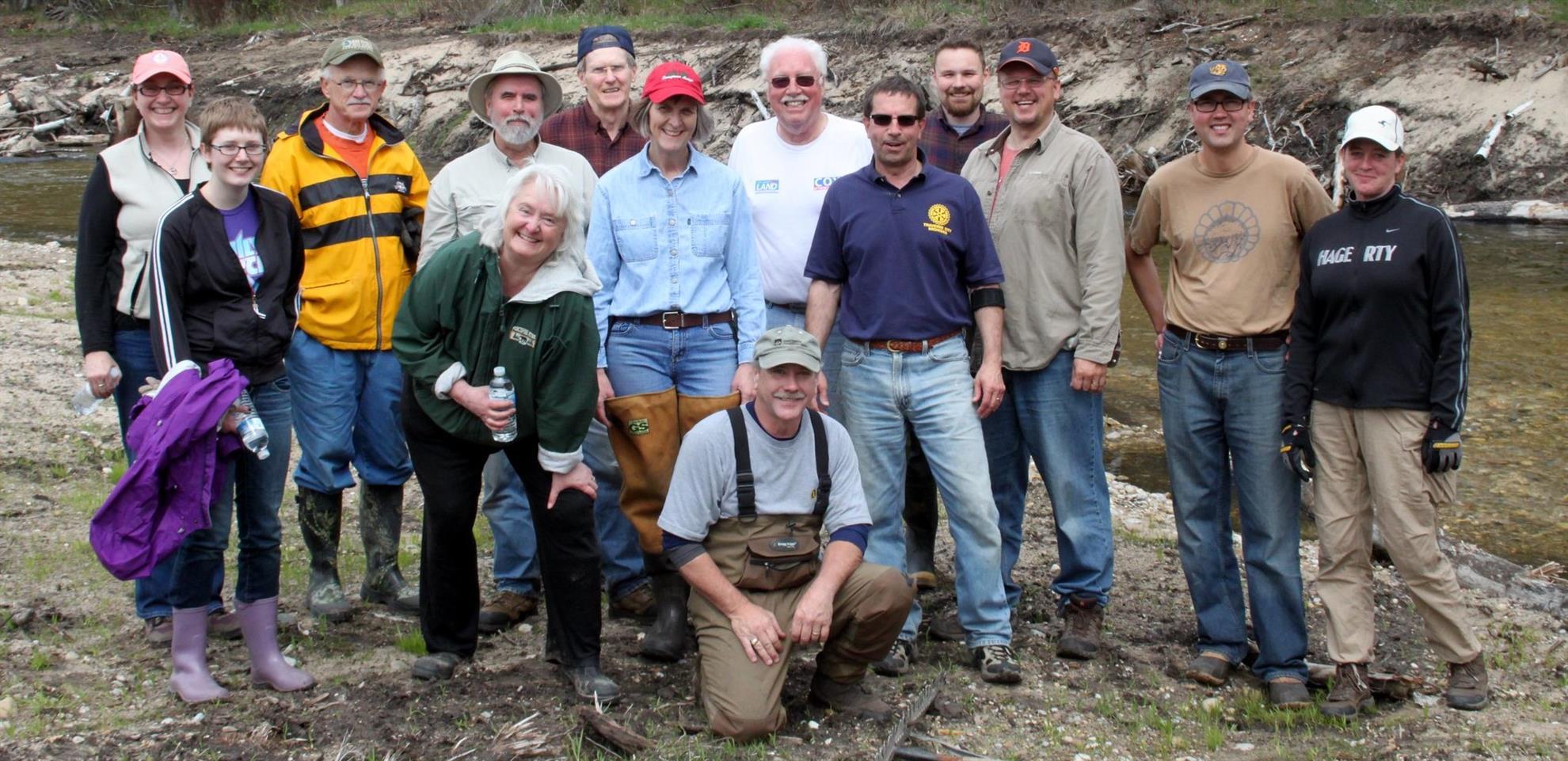
Restoring Brown Bridge Reservoir
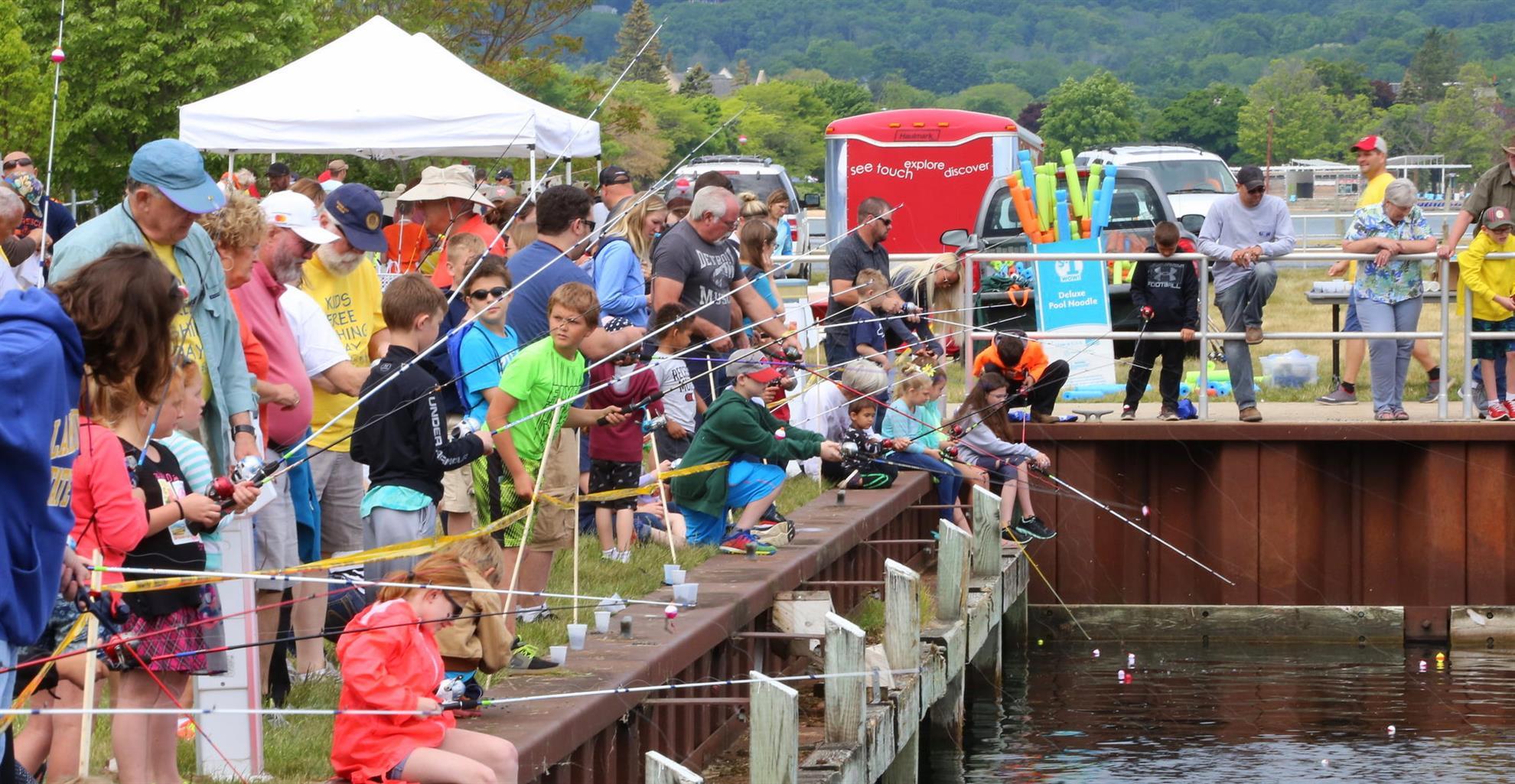
Kids Free Fishing Day
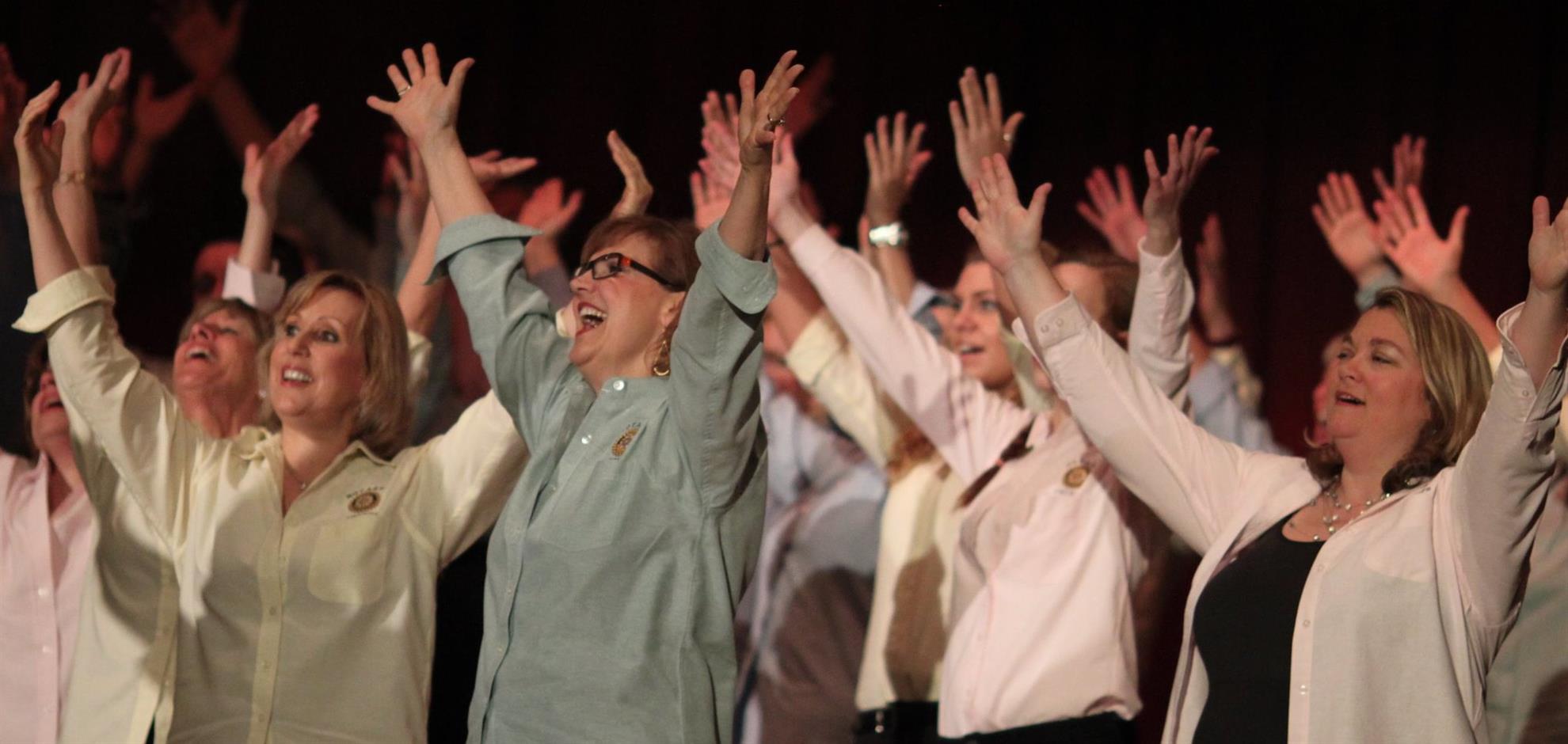
Rotary Show
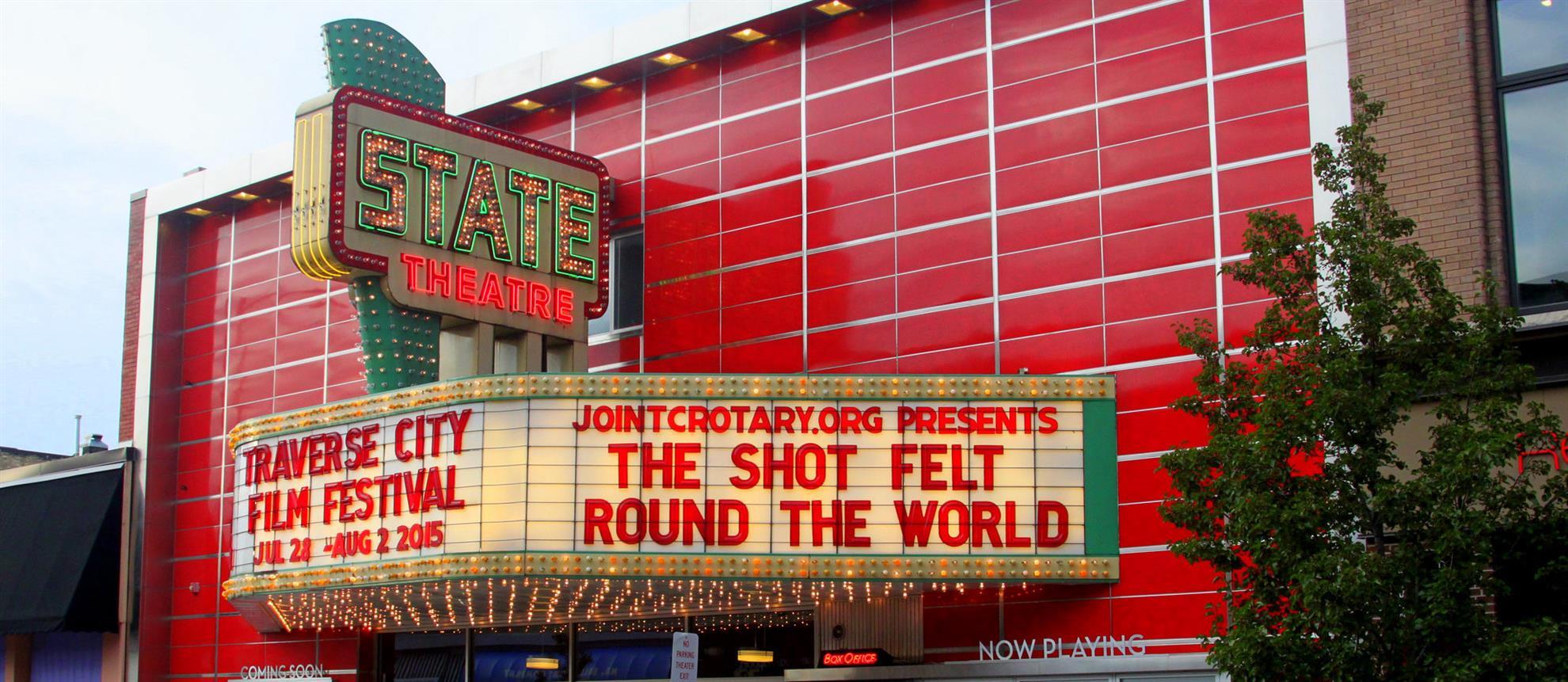
Polio Film
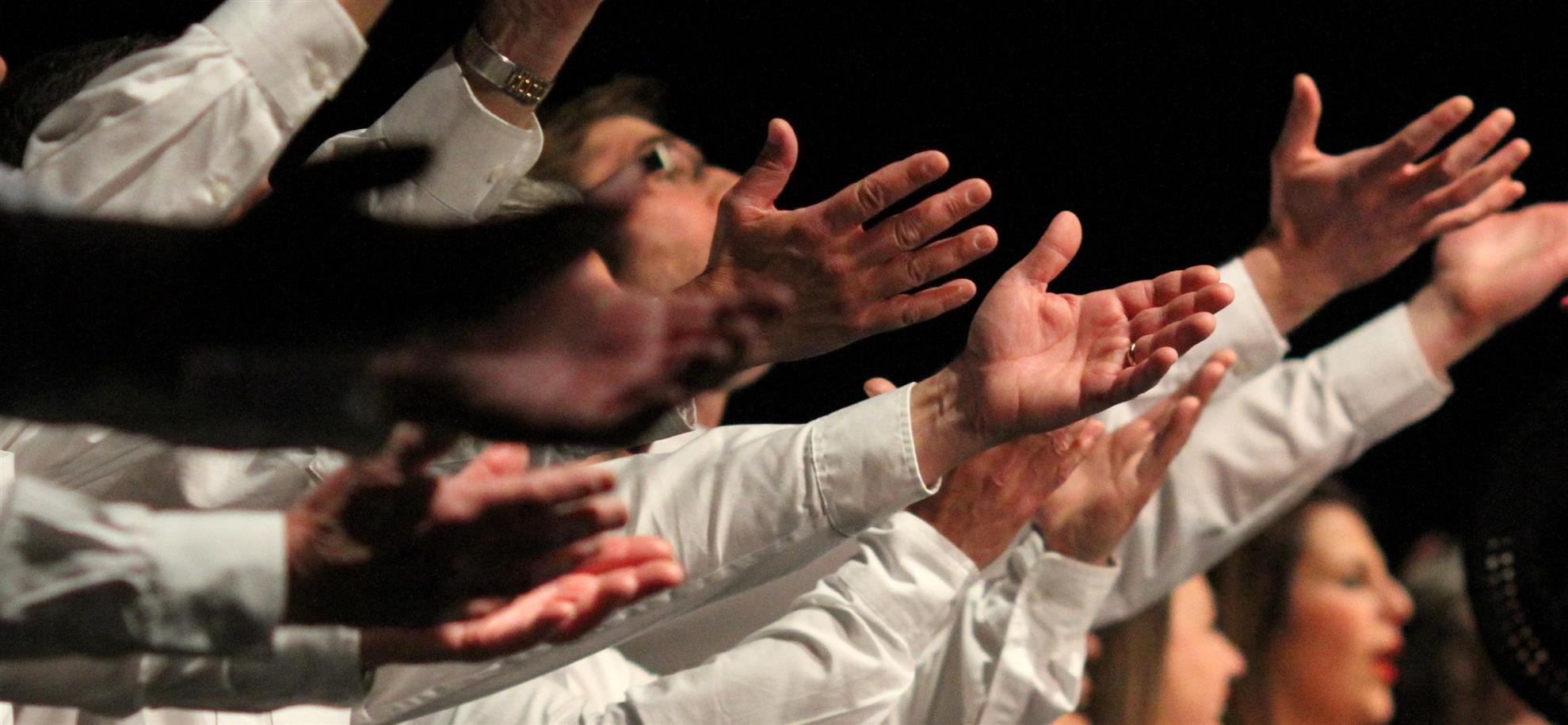
Rotary Show
SERVICE ABOVE SELF SINCE 1920
A Brief History of the Rotary Club of Traverse City
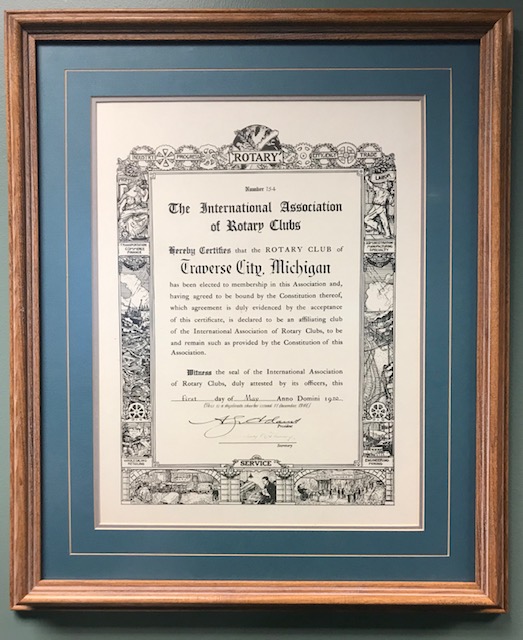
The Rotary Club of Traverse City received its permanent charter on May 1, 1920, just 15 years after the first Rotary Club was founded in Chicago. Rotary is one of the world’s earliest service organizations created to unite professionals from diverse backgrounds, exchange ideas, and build lifelong friendships.
Our first club president was State Senator James Milliken, whose son William, also a Traverse City Rotarian, later served as Governor of Michigan (1969–1983).
From the start, our commitment to community was clear. In 1921, one of our first service projects helped establish the Traverse City Chamber of Commerce. By 1923, under President Clarence Greilick’s leadership, the club acquired 450 acres near Spider Lake and Rennie Lake, raising funds to create a campground for 4-H, Boy Scouts, and Girl Scouts; a tradition that continued for almost 100 years. Today, we are working to help establish the world's first Freshwater Research & Innovation Center. A transformational $29M collaborative investment that will help preserve and understand one of our most precious resources for generations to come.
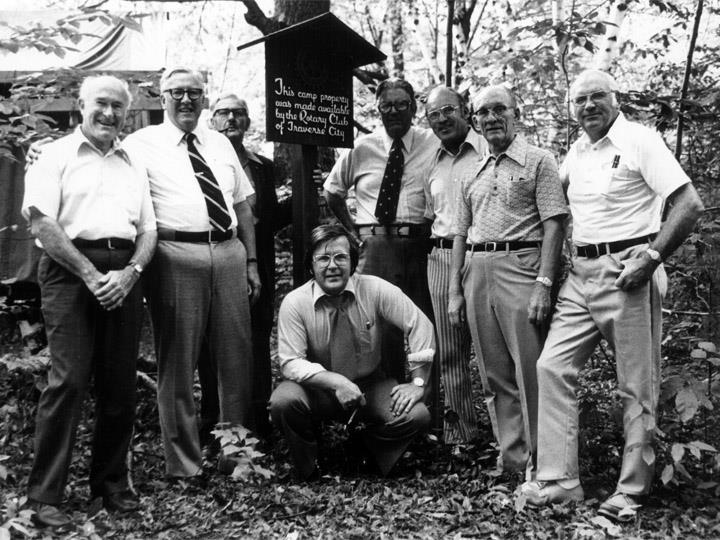
In 1955, all previously acquired land was transferred to a newly formed nonprofit, Rotary Camps & Services, Inc. This organization leased part of the property named Camp Greilick to the Scenic Trails Council of the Boy Scouts of America for 99 years at the symbolic cost of $1, while reserving mineral rights.
Just a year later, in 1956, the Rotary Club purchased an additional 393.5 acres on Bass Lake, later known as Camp Sakakawea, which was leased to the Girl Scouts. For decades, hundreds of Boy Scouts and Girl Scouts have experienced outdoor adventure and personal growth at Camp Greilick and Camp Sakakawea.
By 1975, Rotary Camps & Services entered into a mineral exploration lease with Total Petroleum Company. Thanks to an exceptionally negotiated agreement by visionary Rotarians Al Arnold, Frank Power, Jerry McCarthy, and Bob Hilty. The club secured 25% royalties until production costs were met, and 40% thereafter.
When oil and gas revenues began flowing, the club established a separate charitable entity: Rotary Charities, ensuring these resources would fuel transformative community projects for generations to come.
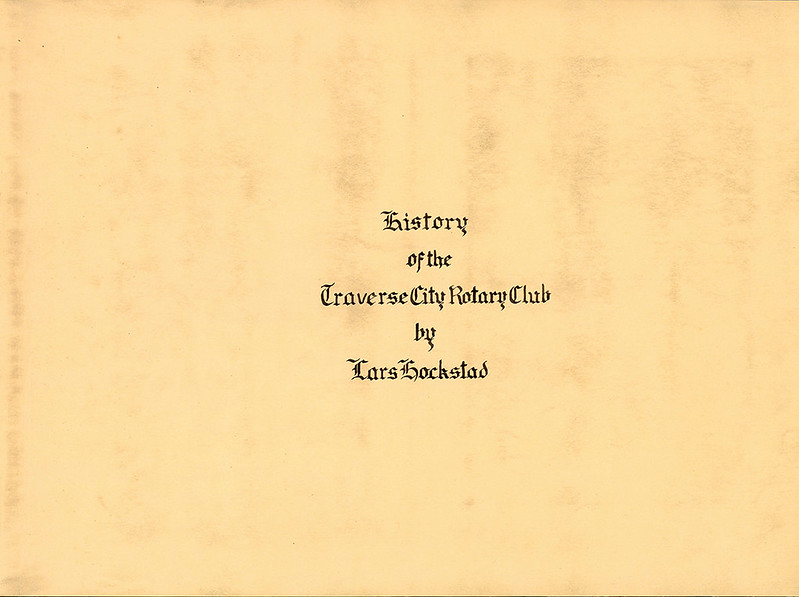
In the mid-1960s, Traverse City School Administrator and Rotary member Lars Hockstad undertook the challenge of documenting the history of the Traverse City Rotary Club.
He began with a candid preface: “Early records, including the original club charter, were lost or destroyed.” Acknowledging the difficulty of precise chronology, Lars focused on what mattered most: our defining moments. “It seems appropriate,” he wrote, “to record only outstanding activities and achievements which best exemplify the fact that Rotary is above all a service club. To write the facts of each weekly meeting would be an endless task and tiresome repetitious detail which no one would read.”